DFA-Driven Process Innovation: Upgrading Assembly Quality of Negative-Pressure Cleaning Machines
Recently, the Infection Control Division has launched a special optimization project for negative-pressure cleaning machine assembly in collaboration with production, R&D and quality departments. Guided by the DFA (Design for Assembly) concept, the project closes the improvement loop from design to production, achieving multiple goals of quality improvement, efficiency gain and cost reduction.
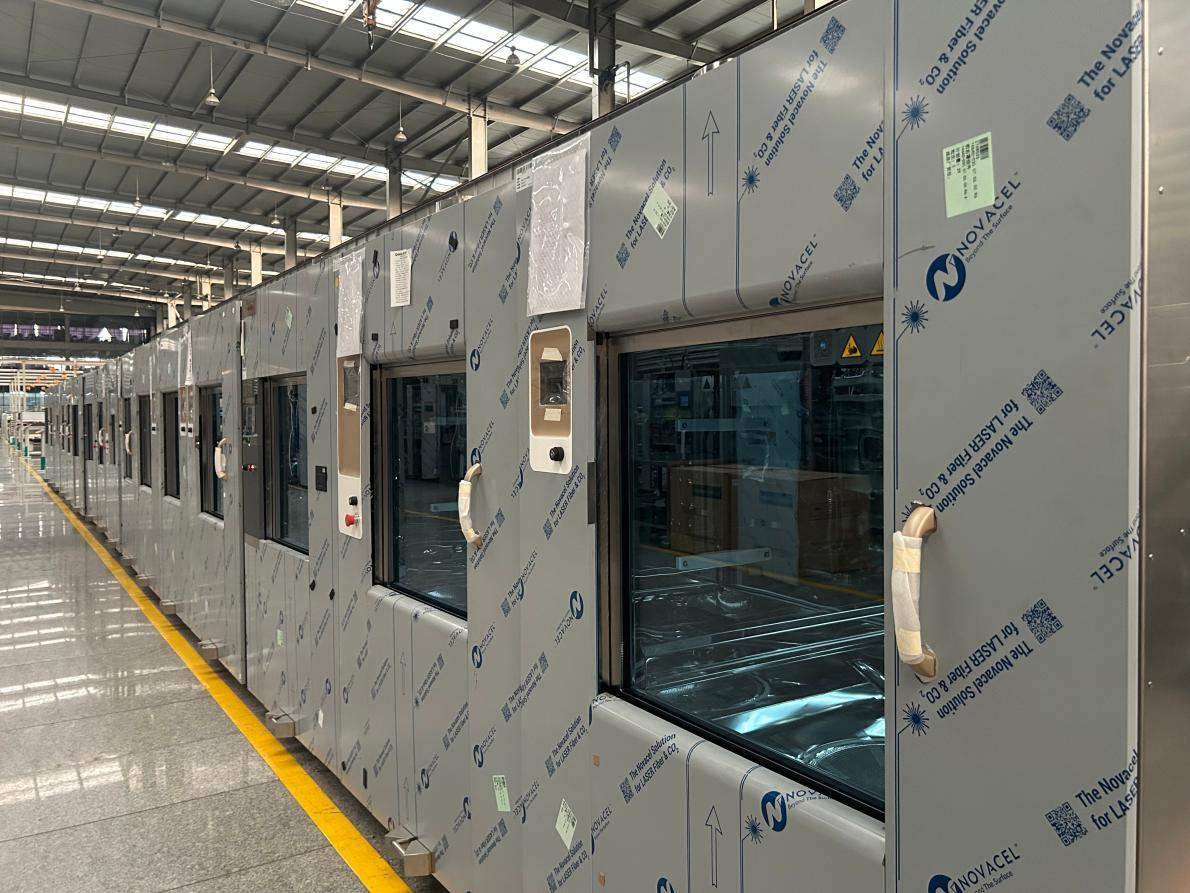
Project team members went deep into production sites to identify assembly bottlenecks. Four major categories of issues were sorted out: structural interferences, inconvenient operations, efficiency constraints and potential quality risks. A graded problem list was established, together with a closed-loop management mechanism: on-site identification → classified logging → review & decision-making → design modification → on-site verification → problem closure. Scattered verbal feedback was converted into traceable standardized workflows.
Following DFA optimization principles, the team adopted integrated component design by combining multiple discrete parts into unified assemblies to cut assembly procedures at the source. Welded pipelines replaced standard fittings such as threaded connectors, tees and hose clamps to lower assembly difficulty. For critical procedures including pipeline connection, fastening and sheet-metal assembly, clear process specifications were defined for welding parameters, sealing performance, torque values and assembly sequences, ensuring design revisions were fully implemented on the shop floor.
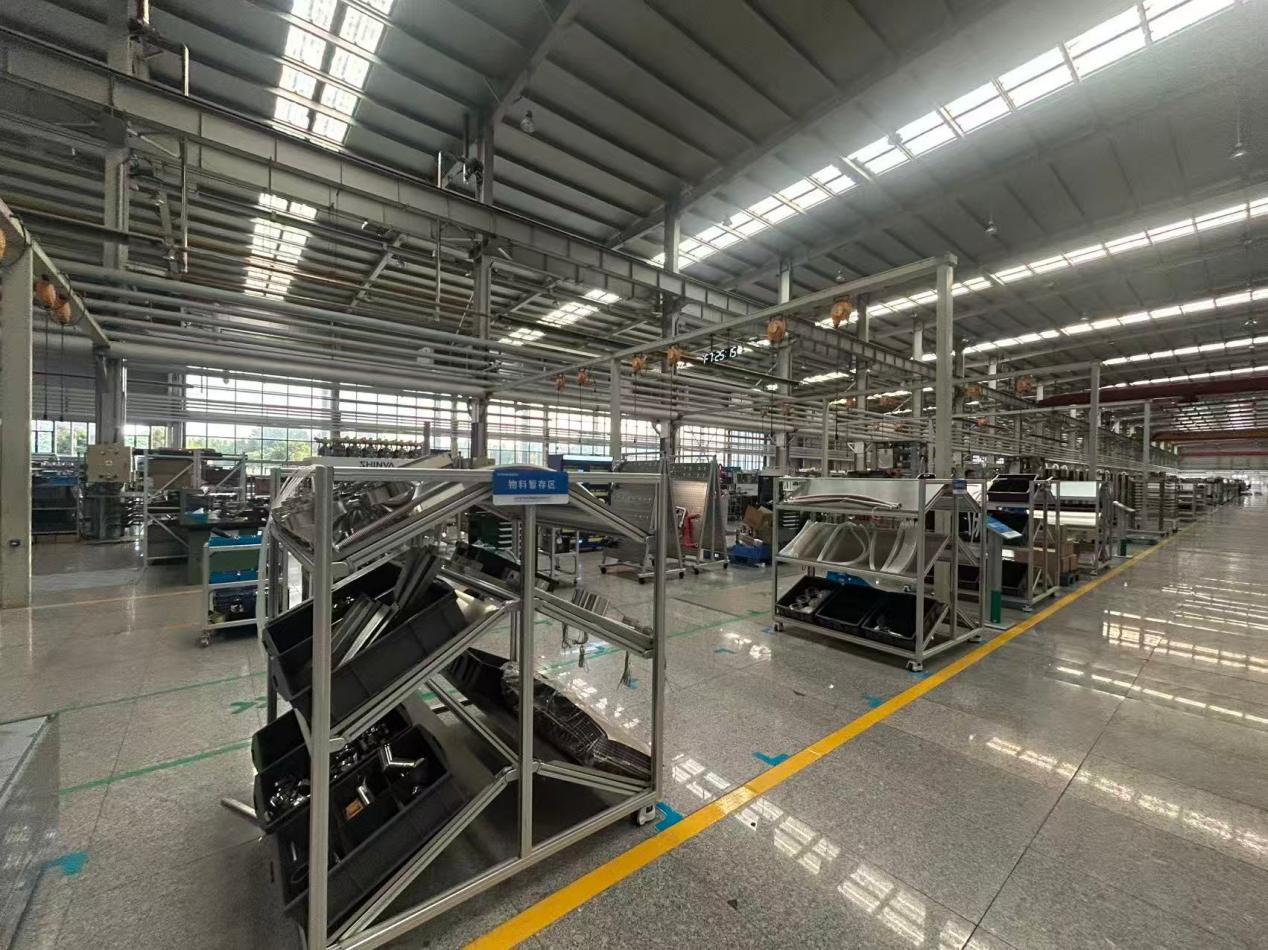
Meanwhile, custom tooling for positioning, fastening, labour-saving operation and material handling was developed. Poka-Yoke (error-proofing) design was applied to minimize human errors. Standard operating documents were updated, and quality regimes including first-article validation, self-inspection, mutual inspection and special-inspection were strictly enforced to stabilize assembly quality. Supported by the manufacturing information system, drawings, BOM (Bill of Materials) and process documents are collaborated online with full traceability for all revisions. Adhering to the principle of “review before modification, verification before promotion”, the team completed prototype trial-manufacturing and iterative trial assembly, and finalized all design documents. Thanks to these optimizations, the assembly performance of negative-pressure cleaning machines has been greatly enhanced. The number of components and assembly steps have been reduced, cutting assembly labour-hours per unit. Products have evolved from “assemblable” to “easy-to-assemble”. Material, labour and work-in-progress costs have been effectively saved, production cycles shortened, capacity utilization raised, and the closed-loop rate of assembly quality continuously improved.
Going forward, the Infection Control Division will institutionalize proven practices covering DFA optimization, special tooling deployment and problem resolution. It will strengthen control over key processes and advance manufacturing toward refinement, standardization and intelligence.