How to Maintain Ultrasonic Cleaning Equipment for Reliable Medical Instrument Processing
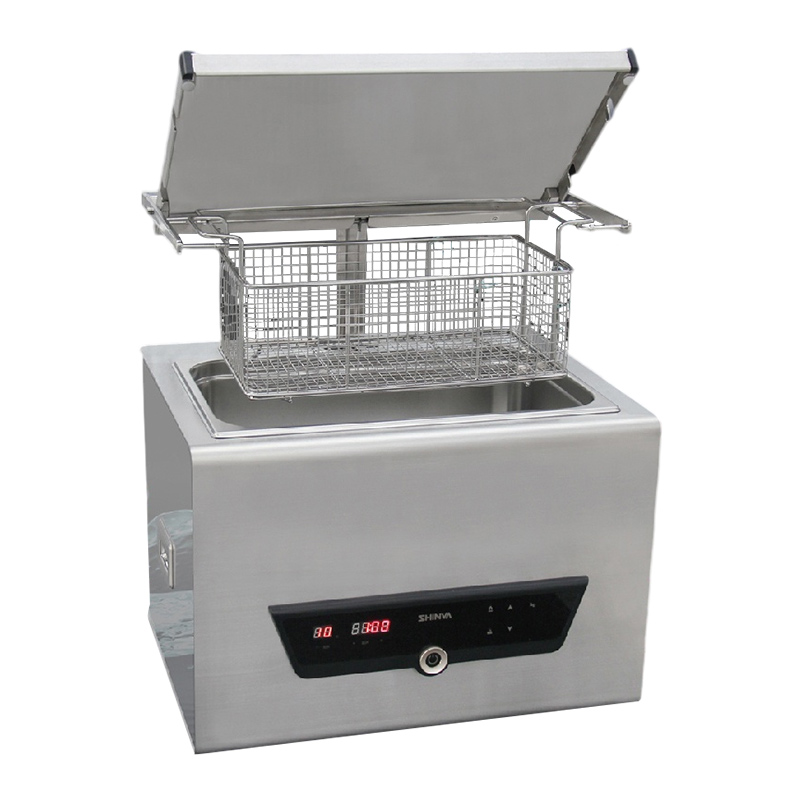
A reliable ultrasonic cleaner is an important part of medical instrument processing workflows.
However, purchasing high-quality equipment is only the first step.
Long-term cleaning performance depends on proper operation, routine maintenance, correct cleaning procedures, and timely troubleshooting.
For hospitals, CSSDs, dental departments, laboratories, and other healthcare facilities, equipment downtime can affect the entire sterile processing workflow.
A small issue such as reduced cavitation performance, abnormal noise, temperature problems, or incorrect operation can gradually influence cleaning consistency.
This is why an effective ultrasonic cleaner maintenance plan should be established from the beginning.
The goal of maintenance is not only repairing equipment after failure.
It is preventing problems before they affect daily medical instrument processing.
Hospitals evaluating infection control equipment and maintenance planning can review the .
Regular maintenance helps ultrasonic cleaning equipment maintain stable performance in healthcare environments.
Why Ultrasonic Cleaner Maintenance Matters
Maintaining Consistent Cleaning Performance
An ultrasonic cleaner works through a combination of:
ultrasonic energy;
cleaning solution;
temperature;
processing time;
correct loading.
If any part of this process changes, cleaning performance may be affected.
For example:
damaged components may reduce ultrasonic output;
incorrect solution concentration may reduce cleaning effectiveness;
contaminated tanks may affect process quality;
improper loading may reduce cavitation exposure.
Preventive maintenance helps keep these variables within expected operating conditions.
Reducing Equipment Downtime
In a hospital environment, equipment availability matters.
A malfunctioning ultrasonic cleaner may create delays in:
instrument preparation;
surgical instrument turnaround;
CSSD workflow;
laboratory processing.
A planned maintenance strategy helps identify issues before they become unexpected failures.
Instead of waiting for equipment to stop working, facilities can monitor performance and schedule service proactively.
Understanding Ultrasonic Cleaner Components
Before discussing maintenance, it is useful to understand the major components involved in ultrasonic cleaning performance.
Ultrasonic Transducers
Transducers convert electrical energy into mechanical vibration.
They are responsible for generating ultrasonic waves inside the cleaning tank.
Problems with transducers may affect:
cavitation intensity;
cleaning consistency;
overall equipment performance.
If ultrasonic energy appears weaker than normal, technical inspection may be required.
Cleaning Tank
The tank directly contacts:
cleaning solution;
baskets;
medical instruments.
Routine tank care is important because contamination, residue, or improper cleaning procedures may affect operation.
Maintenance considerations include:
removing residues;
checking surface condition;
preventing corrosion;
inspecting damage.
Heating System
Many ultrasonic cleaners include temperature control functions.
Heating performance affects cleaning chemistry and process consistency.
Potential issues include:
inaccurate temperature readings;
slow heating;
failure to reach the set temperature.
Temperature-related problems should be checked according to manufacturer instructions.
Control System
The control panel manages functions such as:
cleaning time;
temperature;
operating settings;
equipment status.
Control issues may come from:
incorrect operation;
electrical problems;
component failure.
Operators should understand normal operating behavior before troubleshooting abnormal conditions.
Daily Ultrasonic Cleaner Maintenance Checklist
Daily maintenance is usually focused on keeping the equipment clean and identifying early warning signs.
Inspect the Equipment Before Operation
Before starting a cleaning cycle, operators should check:
equipment appearance;
tank condition;
basket condition;
control panel status;
unusual sounds or warnings.
Early detection prevents small issues from becoming larger problems.
Check Cleaning Solution Condition
The cleaning solution directly affects performance.
Operators should monitor:
solution cleanliness;
visible contamination;
concentration requirements;
replacement schedule.
A heavily contaminated solution may reduce cleaning effectiveness.
The solution should be replaced according to facility procedures and chemical recommendations.
Clean the Tank After Use
After operation:
remove remaining instruments;
empty or manage the solution according to procedures;
clean residues;
inspect the tank.
The cleaning tank should not accumulate deposits that may affect ultrasonic transmission.
Weekly and Periodic Maintenance
Daily checks support basic operation.
Periodic maintenance focuses on maintaining long-term reliability.
Inspect Accessories and Baskets
Baskets are directly involved in instrument handling.
Check for:
damaged mesh;
deformation;
corrosion;
unstable positioning.
A damaged basket may affect instrument placement and cleaning consistency.
Verify Temperature and Timer Functions
Hospitals should periodically confirm whether:
timer settings operate correctly;
temperature display functions normally;
heating reaches expected conditions.
If the equipment shows inconsistent readings, technical evaluation may be required.
Check Cleaning Performance
Facilities should monitor whether cleaning performance changes over time.
Possible warning signs include:
visible residue remaining on instruments;
longer cleaning requirements;
inconsistent results;
unusual operating behavior.
Changes in performance should trigger investigation.
Common Ultrasonic Cleaner Problems and Solutions
Problem 1: Reduced Cavitation Effect
One common concern is reduced ultrasonic cleaning performance.
Possible causes include:
incorrect solution level;
unsuitable cleaning solution;
excessive contamination;
equipment component issues;
improper loading.
Recommended checks:
Confirm the correct solution level.
Verify cleaning chemistry.
Check whether instruments are overloaded.
Inspect equipment condition.
If performance does not improve, professional service may be required.
Problem 2: Unusual Noise During Operation
Ultrasonic cleaners normally produce operating sounds.
However, abnormal changes may indicate:
incorrect installation;
mechanical issues;
improper loading;
equipment problems.
Operators should avoid continuing operation if abnormal conditions appear.
Follow manufacturer troubleshooting procedures.
Problem 3: Temperature Does Not Reach the Set Value
Possible reasons include:
heating system issues;
sensor problems;
incorrect settings;
environmental conditions.
Check:
selected temperature;
equipment settings;
heating function;
displayed readings.
If the problem continues, contact technical support.
Problem 4: Control Panel Problems
Control issues may include:
buttons not responding;
incorrect display;
unexpected program behavior.
First check:
power supply;
operating settings;
user operation.
If normal checks do not resolve the issue, professional maintenance may be needed.
How to Improve Ultrasonic Cleaner Service Life
Use Correct Cleaning Procedures
Equipment performance depends heavily on operation.
Operators should follow:
instrument instructions;
cleaning chemistry requirements;
equipment operating procedures.
Incorrect use can shorten equipment lifespan.
Avoid Overloading the Cleaning Basket
Overloading can create several problems:
reduced cleaning exposure;
uneven processing;
unnecessary equipment stress.
The basket should allow cleaning solution to contact instrument surfaces properly.
Use Compatible Cleaning Chemicals
Cleaning solutions should match:
instrument materials;
ultrasonic equipment requirements;
healthcare procedures.
Incorrect chemicals may affect:
instrument condition;
tank materials;
cleaning performance.
Train Operators Properly
Operator training is one of the most effective maintenance strategies.
Staff should understand:
correct loading;
cleaning settings;
routine checks;
alarm responses;
reporting procedures.
Good operation prevents many avoidable problems.
Preventive Maintenance Schedule Example
A practical maintenance plan may include:
| Frequency | Maintenance Activity |
|---|---|
| Daily | Visual inspection, tank cleaning, solution check |
| Weekly | Basket inspection, equipment condition check |
| Monthly | Performance review, function verification |
| Periodic | Professional inspection and preventive service |
The exact schedule should follow the manufacturer's recommendations and facility requirements.
When Should Hospitals Contact Technical Support?
Not every issue should be solved internally.
Professional support may be required when:
ultrasonic output changes significantly;
equipment stops operating normally;
electrical problems occur;
temperature control fails;
repeated alarms appear;
cleaning performance cannot be restored.
Continuing to operate damaged equipment may create larger problems.
A reliable supplier should provide:
technical consultation;
spare parts support;
maintenance guidance;
repair services.
Ultrasonic Cleaner Maintenance vs Reactive Repair
There are two approaches to equipment management.
| Preventive Maintenance | Reactive Repair |
|---|---|
| Identify problems early | Wait until failure occurs |
| Reduce unexpected downtime | Higher workflow disruption risk |
| Plan service activities | Emergency response |
| Support stable performance | May increase repair costs |
Healthcare facilities generally benefit from preventive maintenance because sterile processing equipment directly affects workflow continuity.
How Maintenance Supports Infection Control
Equipment maintenance is not only about protecting the machine.
It also supports infection control objectives.
A poorly maintained ultrasonic cleaner may influence:
cleaning consistency;
instrument processing reliability;
workflow efficiency.
Regular maintenance helps ensure the equipment continues supporting the intended cleaning process.
For hospitals managing multiple infection control systems, integrated planning across cleaning, disinfection, and sterilization equipment is important.
Buyer Checklist: Before Purchasing an Ultrasonic Cleaner
Maintenance planning should begin before purchase.
Buyers should ask suppliers:
| Question | Purpose |
|---|---|
| What maintenance is required? | Understand ownership responsibilities |
| Are spare parts available? | Reduce downtime risk |
| Is technical support available? | Ensure long-term assistance |
| What training is provided? | Improve operation quality |
| What components require regular inspection? | Plan preventive maintenance |
| What service network exists? | Prepare for future needs |
A good supplier relationship continues after installation.
Common Mistakes in Ultrasonic Cleaner Maintenance
Ignoring Small Performance Changes
Reduced cleaning performance may be an early warning sign.
Cleaning the Equipment Improperly
The tank and accessories require correct maintenance methods.
Skipping Operator Training
Many operational problems come from incorrect usage.
Waiting Until Failure Happens
Preventive maintenance is usually more efficient than emergency repair.
Buyer Insight: Maintenance Is Part of Equipment Value
The value of an ultrasonic cleaner is not only measured by the purchase specification.
Long-term value depends on:
stable cleaning performance;
reliable operation;
maintenance support;
spare parts availability;
trained users.
Hospitals should consider maintenance capability as part of equipment selection.
A well-maintained ultrasonic cleaner can support consistent medical instrument processing for years.
Conclusion: Build a Reliable Ultrasonic Cleaner Maintenance Strategy
Proper ultrasonic cleaner maintenance helps healthcare facilities maintain cleaning performance, reduce downtime, and support reliable medical instrument processing.
A complete maintenance strategy should include:
daily checks;
periodic inspections;
operator training;
preventive service;
troubleshooting procedures;
supplier support.
Hospitals should not wait until equipment failure affects workflow.
By establishing maintenance practices from the beginning, facilities can improve equipment reliability and protect their sterile processing operations.
Healthcare facilities evaluating ultrasonic cleaning equipment can explore the SHINVA Ultrasonic Cleaner portfolio.
For maintenance support, technical consultation, or equipment planning, with your equipment model, workflow requirements, and service needs.
Frequently Asked Questions
How often should an ultrasonic cleaner be maintained?
Maintenance frequency depends on equipment usage, manufacturer recommendations, and facility requirements. Daily checks and scheduled preventive maintenance are commonly used approaches.
Why is my ultrasonic cleaner not cleaning effectively?
Possible causes include incorrect solution conditions, improper loading, contamination buildup, incorrect settings, or equipment performance issues.
How can I extend ultrasonic cleaner service life?
Use compatible cleaning solutions, follow operating procedures, maintain the tank and accessories, train operators, and perform preventive maintenance.
Can hospitals repair ultrasonic cleaners themselves?
Basic operational checks may be performed by trained staff, but technical repairs should follow manufacturer recommendations and may require qualified service personnel.
Why is preventive maintenance important for CSSD equipment?
Preventive maintenance helps reduce unexpected downtime and supports consistent instrument processing workflows.