Low Temperature Sterilizer Buying Guide for Hospitals
How should hospitals select low temperature sterilization equipment for heat-sensitive medical devices? A professional evaluation weighs device compatibility, sterilization performance, processing requirements, cycle efficiency, operating cost, maintenance support, and supplier capability together.
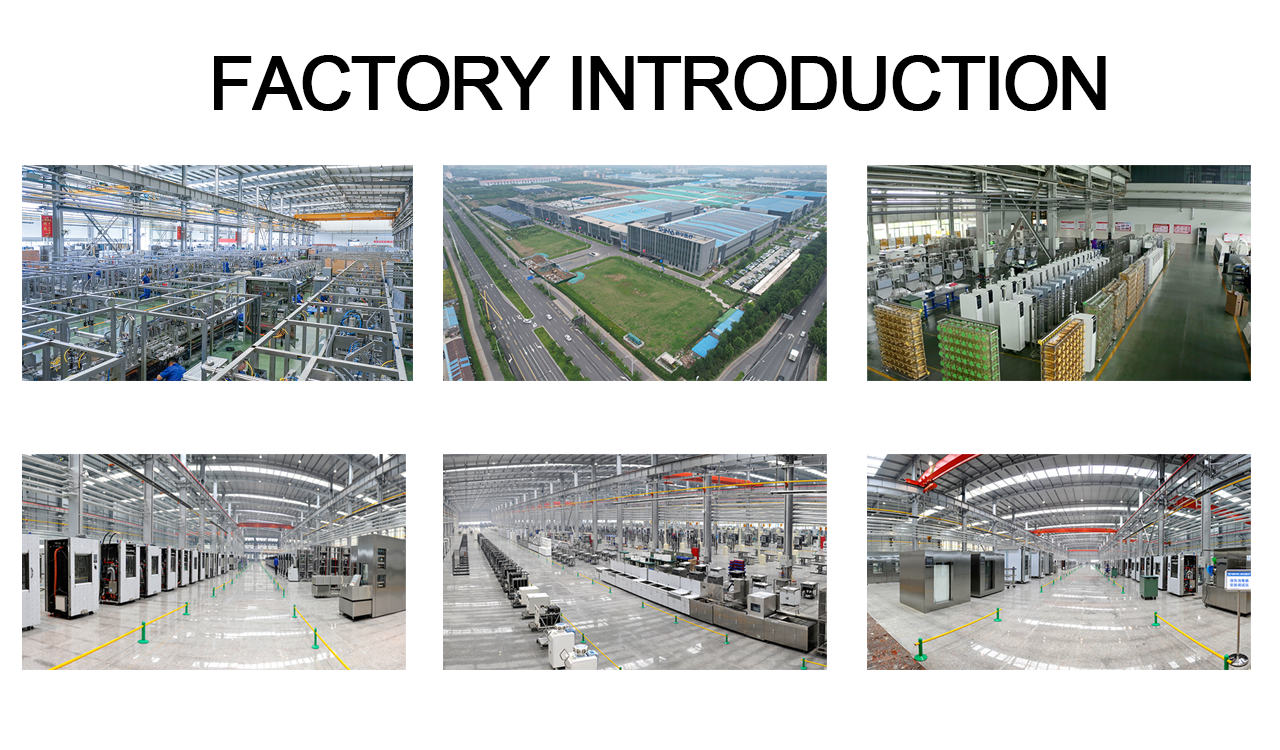
SHINVA provides sterilization solutions as part of its infection control equipment portfolio, including steam sterilizers, low-temperature sterilization systems, washing and disinfection equipment, and related CSSD solutions. Hospitals planning sterilization upgrades can review the to see the available sterilization categories.
This guide explains how healthcare buyers can evaluate low temperature sterilizers, compare technologies, and select the right solution for hospital sterile processing.
Why Hospitals Need Low Temperature Sterilization Equipment
Traditional steam sterilization works extremely well for many heat-resistant instruments, but modern healthcare environments increasingly rely on devices containing plastics, electronics, optical components, delicate materials, and complex structures—none of which reliably tolerate high heat. Low temperature sterilization offers an alternative path for processing these sensitive devices while still meeting infection prevention requirements.
Typical applications include certain minimally invasive surgical instruments, endoscopic devices, delicate medical components, and other heat-sensitive equipment—though exact suitability always depends on the device manufacturer's instructions and the applicable processing requirements for that specific item.
Understanding Low Temperature Sterilization
Low temperature sterilization uses sterilizing agents or technologies that operate below traditional steam sterilization temperatures, aiming to achieve effective sterilization while reducing thermal impact on sensitive devices. Different systems use different underlying technologies, so hospitals should evaluate each option against instrument compatibility, cycle requirements, safety considerations, facility conditions, and operational workflow—the best solution depends entirely on the hospital's actual instrument inventory, not a generic recommendation.
Low Temperature Sterilizer vs. Steam Sterilizer
Hospitals shouldn't view low temperature sterilization as a wholesale replacement for steam sterilization—the two technologies typically support different applications side by side:
| Comparison Area | Steam Sterilizer | Low Temperature Sterilizer |
|---|---|---|
| Main application | Heat-resistant instruments | Heat-sensitive devices |
| Temperature | Higher temperature cycles | Lower temperature operation |
| Common use | General surgical instruments | Sensitive medical devices |
| Material compatibility | Depends on device | Designed for sensitive materials |
| CSSD role | Core sterilization method | Specialized sterilization support |
A modern CSSD often needs both technologies at once, depending on the breadth of the hospital's instrument portfolio.
Common Low Temperature Sterilization Technologies
Different low temperature sterilization systems rely on different sterilizing methods, and hospitals should understand each technology's characteristics before procurement.
Hydrogen peroxide-based sterilization is widely used for certain heat-sensitive medical devices. During evaluation, weigh compatible devices, cycle requirements, consumable management, maintenance needs, and operational procedures together.
Other low temperature sterilization methods may be worth evaluating depending on local regulations, available infrastructure, instrument requirements, and clinical applications. The right selection should always start with the devices actually requiring sterilization, not the technology itself.
How to Determine Whether a Hospital Needs a Low Temperature Sterilizer
Not every hospital needs the same sterilization configuration—the decision depends on the facility's actual medical device inventory.
Review Current Instrument Types
Analyze which instruments require low temperature processing, current sterilization limitations, frequency of use, and future technology adoption. Hospitals performing complex minimally invasive procedures, for instance, tend to have greater demand for specialized sterilization solutions than general facilities.
Evaluate Future Clinical Development
Healthcare technology changes over time, and hospitals expanding surgical departments, endoscopy services, or advanced treatment programs may need additional sterilization capability down the line. Equipment planning should weigh expected growth, not just current demand.
Key Factors When Buying a Low Temperature Sterilizer
Selecting equipment means evaluating both technical and operational factors together.
1. Device Compatibility
Compatibility is the first priority—the sterilizer needs to match the medical devices actually being processed. Confirm approved instrument types, material compatibility, cycle requirements, and manufacturer recommendations before anything else. The most advanced sterilizer on the market isn't the best choice if it doesn't match the hospital's actual instruments.
2. Processing Capacity
| Capacity Factor | Evaluation Question |
|---|---|
| Daily workload | How many devices require processing? |
| Peak demand | Are there high-volume periods? |
| Cycle time | How quickly can instruments return to service? |
| Future growth | Will demand increase? |
| Backup needs | Is additional capacity required? |
Selecting insufficient capacity creates workflow delays; selecting excessive capacity increases unnecessary investment. Neither error is cheap to correct after the fact.
3. Cycle Performance and Workflow Efficiency
Cycle efficiency directly affects CSSD productivity—evaluate cycle duration, loading procedures, monitoring functions, documentation, and operator workflow together. The sterilizer needs to integrate smoothly into the existing sterile processing process, not just perform well in isolation.
4. Consumables and Operating Costs
Low temperature sterilization systems often involve specific consumables. Before purchase, understand consumable requirements, replacement frequency, storage conditions, supply availability, and long-term operating costs—a complete cost evaluation covers both the equipment investment and its ongoing operation, not just the invoice on day one.
Installation Requirements for Low Temperature Sterilizers
Installation planning should begin well before equipment delivery:
| Installation Area | Questions |
|---|---|
| Space | Is there sufficient installation and maintenance space? |
| Utilities | Are required connections available? |
| Environment | Does the room meet operational requirements? |
| Workflow | Does equipment location support CSSD movement? |
| Safety | Are operating procedures established? |
Early planning here reduces delays once commissioning actually starts.
Maintenance Requirements for Low Temperature Sterilization Equipment
Maintenance is essential for long-term equipment reliability. Hospitals should establish preventive maintenance schedules, operator inspection procedures, technical service plans, and spare-parts strategies from the start:
| Maintenance Activity | Purpose |
|---|---|
| Routine inspection | Identify abnormal conditions |
| Cleaning | Maintain equipment condition |
| Component checks | Reduce unexpected failures |
| Performance verification | Confirm operation |
| Service records | Track equipment history |
The exact maintenance requirements depend on equipment design and manufacturer recommendations—not a one-size-fits-all schedule copied from another device.
How to Evaluate a Low Temperature Sterilizer Supplier
The supplier plays an important role well beyond equipment delivery.
Technical consultation. The supplier should understand instrument requirements, CSSD workflow, sterilization challenges, and hospital application scenarios—not just its own product line.
Installation and training. Support should include installation guidance, commissioning, operator training, and ongoing technical communication.
Lifecycle service. Confirm maintenance support, spare-parts availability, troubleshooting process, and long-term technical assistance before signing anything.
A supplier here should be evaluated as a long-term technology partner, not a one-time equipment vendor.
Common Mistakes When Selecting Low Temperature Sterilizers
Choosing equipment without reviewing instrument compatibility. Not every medical device needs the same sterilization method—compatibility always comes first.
Comparing only purchase price. Operating costs, consumables, maintenance, and service all deserve equal weight in the decision.
Ignoring CSSD workflow integration. The sterilizer needs to fit the complete sterile processing system, not just perform its own cycle well.
Not planning for future demand. Healthcare services change over time, so equipment selection should account for future clinical development from the outset.
Low Temperature Sterilizer Procurement Checklist
Before final approval, confirm each of the following:
| Evaluation Area | Key Question |
|---|---|
| Application | What medical devices require low temperature processing? |
| Compatibility | Is the system suitable for those devices? |
| Capacity | Can it meet current and future demand? |
| Workflow | Does it integrate with CSSD processes? |
| Installation | Are site requirements clear? |
| Documentation | Are technical materials complete? |
| Training | Are operators supported? |
| Maintenance | Is lifecycle service available? |
| Supplier | Does the supplier provide technical expertise? |
| Cost | Has total lifecycle value been evaluated? |
Buyer Insight: Choose Sterilization Technology Based on Clinical Needs
Hospitals should avoid selecting sterilization equipment based purely on technology trends—the right approach starts with clinical requirements instead. A well-designed CSSD often combines steam sterilization for heat-resistant instruments, low temperature sterilization for sensitive devices, cleaning and disinfection systems, and storage and workflow solutions, all working together.
The goal was never to pick one single "best" technology—it's building a reliable sterile processing system as a whole. A supplier with complete infection control expertise can help hospitals design solutions that actually match their operational requirements, rather than pushing whichever product happens to be in stock.
Conclusion: Select Low Temperature Sterilization Equipment for Long-Term Reliability
A low temperature sterilizer provides essential support for modern healthcare facilities managing heat-sensitive medical devices. Successful procurement requires evaluating device compatibility, sterilization requirements, capacity, workflow integration, installation, maintenance, and supplier support together, as one decision rather than several separate ones.
The best sterilization solution is the one that fits the hospital's clinical needs and supports reliable operation over time. Hospitals and healthcare organizations can explore the to review sterilization and sterile processing solutions, or with facility requirements and application details for low temperature sterilization or CSSD project consultation.
Frequently Asked Questions
What is a low temperature sterilizer used for?
A low temperature sterilizer is used for medical devices that cannot tolerate traditional high-temperature sterilization methods.
What is the difference between steam sterilizers and low temperature sterilizers?
Steam sterilizers are commonly used for heat-resistant instruments, while low temperature sterilizers support devices made from heat-sensitive materials.
How do hospitals choose a low temperature sterilizer?
Hospitals should evaluate device compatibility, processing volume, workflow requirements, installation conditions, maintenance needs, and supplier support together.
Are low temperature sterilizers suitable for all medical instruments?
No. Suitability depends on the instrument manufacturer's instructions and the specific sterilization requirements of each device.
Why is supplier support important for sterilization equipment?